
Indications:
- Abdominal coldness, pain
- Asthma
- Bleeding during pregnancy
- Bleeding, to stop
- Common cold
- Cough, blood or clear sputum
- Dysmenorrhea
- Infertility
- Irregular menses
- Malaria
- Menstrual bleeding, excessive
- Nose bleeding
- Restless fetus
- Skin itching (topical use)
- Sports injury
- Uterine contraction effect
- Vaginal bleeding, excessive
- Wheezing

Family Name: Compositae
Botanical Name: Artemisia argyl, vulgaris
Properties: Bitter, acrid, warm
Channels: Spleen, Kidney, Liver
Functions: Warms the womb and stops bleeding, calms the fetus, disperses cold, and relieves pain.


Comments:
During the Korean Civil War in the early 1950’s, the majority of Koreans experienced starvation from a shortage of grains and starch roots. People had to fill their empty stomachs with a high intake of vegetables and few grains. Since most vegetables contain some degree of toxicity, many suffered from a swollen body and edema. This is when warmwood came to the rescue. It not only detoxified the edema induced by excess consumption of green vegetables, it also provided desperately needed nutrients.
Warmwood, along with garlic, is one of the most recognized spices/foods in Korea, as the name appears in the story of Korean ethnic genesis. As a food, it is a popular ingredient used to make rice cakes. In this case, young leaves sprouting in early spring are collected.
As a mature plant, warmwood has powerful therapeutic effects to scatter cold and stop many types of bleeding, particularly for gynecological disorders. Wormwood warms the womb and stops cold induced pain, as well as bleeding. It stops prolonged, profuse, and watery menstrual bleeding.
The tea made of wormwood also promotes fast recovery after childbirth to stop prolonged bleeding healing the vaginal tear after the birth. For topical use, steam is applied to the genital area. Until recent years, it has been used to treat unstable pregnancies. It calms the fetus as a way to treat a threatened miscarriage and is used for treating a restless fetus with spotting and lower abdominal pain.
Wormwood has been favored by many martial artists as food and a remedy to stop sports related injury pain. It is also used to treat nose bleeding and hemoptysis, a lung condition where the individual coughs up blood-stained sputum.
Wormwood dispels phlegm from the lungs to stop cough, wheezing, and asthma. To treat respiratory disorders, the essential oil of wormwood is used as aromatherapy.
How to get it: Fresh or dried warmwood is sold at most Asian markets.
Preparation:
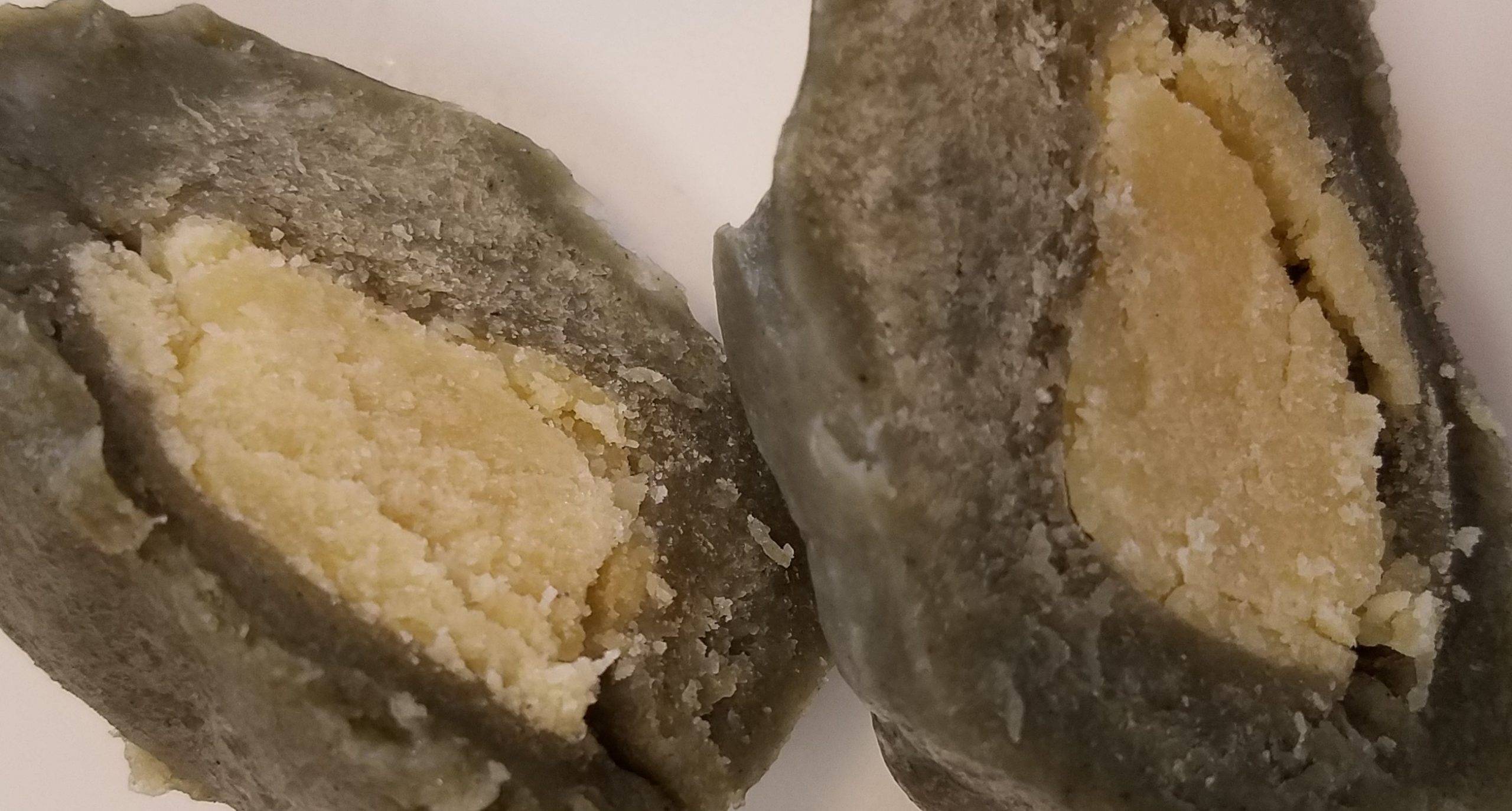
- Young wormwood leaves, before flowering, are used as food. It can be used as a green vegetable in miso soup. It is also commonly used to color cakes green.
- Fresh leaves are added to boiling miso soup and boil for 3 or 4 more minutes. Use fish, shell, or mushrooms as soup stock. Add garlic, chili peper.
- To make a cake, lightly boil young wormwood leaves. Mix it with rice powder. And steam it for 10 to 15 minutes.
- Common cold: Boil water with miso, anchovies, and kelp. Once boiled, add fresh wormwood leaves for 5 minutes. If using dried leaves, it needs to be soaked for about 30 minutes to soften it before adding into the soup. That is too complicated, boil the leaves for about 5 minutes and drink as hot tea.
- Stomachache from cold food: Place a slice of fresh ginger root on the belly button. Create a mound of dried moxa on top of it and light a fire. Let it all burn until the fire goes out.
Caution: Wormwood tends to dry fluid. It is not a suitable food for people with heat intolerance.